









In Spain, managing cat colonies through TNR (Trap-Neuter-Return) programs is now a legal obligation under Ley 7/2023 de bienestar animal (Spain’s Animal Welfare Act), as well as a key public policy for many local governments.
Yet experience shows that sterilizing is not enough: when a program lacks structure, coordination, and follow-up, the result is conflict, cost overruns, and burnout among both municipal staff and volunteers.
An effective municipal TNR program is achievable when it is treated as what it really is: a public service that needs planning, data, and continuity.
Spanish Government – Ethical Management of Cat Colonies, TNR and Biodiversity (in Spanish)
Why Many Municipal TNR Programs Don’t Work as They Should
In many municipalities, the TNR program is run in a fundamentally reactive way. Interventions usually happen in response to one-off incidents (a neighbor’s complaint, a litter found at the last minute, a specific conflict) without any prior planning that would make it possible to anticipate problems or act in a systematic, preventive way.

This lack of planning is compounded by fragmented, loosely organized communication. Coordination between colony caregivers, municipal staff, and other stakeholders often relies on scattered emails, personal WhatsApp messages, or informal phone calls, which makes it hard to follow up on actions, trace decisions, and keep the work going over time.
As a direct consequence, the information gathered in the field never comes together in a shared system. Data on colonies, individual cats, sterilizations, incidents, and veterinary procedures ends up spread across different channels, documents, and personal devices, making it impossible to get a complete, reliable picture of what is really happening in the municipality.
This model also creates an excessive dependence on specific people. A TNR program is often kept afloat by the personal commitment of one or more colony caregivers or a particularly dedicated municipal technician. When those people are away, burn out, or change roles, the system suffers or even grinds to a halt, exposing the lack of a stable structure.
The result is a set of recurring problems: difficulty justifying budgets and applying for grants, ongoing conflicts with caregivers and neighbors, repeated litters due to the lack of systematic control, and a constant feeling of “putting out fires” instead of managing in an orderly way.
In this context, one key idea is worth stressing: a municipal TNR program rarely fails for lack of will; it fails for lack of structure. Without clear organization, consolidated data, and the right tools, even the most committed municipalities end up trapped in reactive management that is fragile and hard to sustain over time.
A municipal TNR program doesn’t fail for lack of will. It fails for lack of structure.

The Most Common Mistake in Municipal Cat Colony Management…
…is approaching TNR as a series of isolated actions instead of understanding and managing it as an ongoing program. When the approach is limited to responding to specific situations (a one-off trapping, an urgent sterilization, a particular incident), the big picture that TNR needs in order to work effectively and sustainably gets lost.
Without clear protocols, well-defined roles, and shared tools, management becomes fragile. Some of the information generated in the field is never recorded or gets lost, which makes it impossible to learn from past actions and make data-driven decisions. At the same time, efforts are duplicated: different people do similar tasks without coordinating, or trappings and interventions are repeated that proper planning could have avoided.
This operational disorder has a direct impact on the municipality’s day-to-day work. Incidents increase, preventable problems become chronic, and the program slips into a reactive dynamic that is hard to sustain. The lack of organization also drives up costs: each sterilized cat ends up costing more, not because of the procedure itself, but because of the inefficient process around it.
That is why good TNR management doesn’t start with the first trapping; it starts long before. It begins with organization, clear criteria, and a structure that makes it possible to coordinate everyone involved, give continuity to the work, and turn isolated efforts into an effective public policy that can be defended.
Good TNR management starts before the first trapping, with organization and clear criteria.
What the Best-Performing Municipal TNR Programs Have in Common
Experience gathered across different municipalities shows that the most effective TNR programs share several key elements:
- a municipal TNR protocol adapted to local conditions
- colony caregivers who are integrated, recognized, and coordinated
- a stable partnership with veterinary clinics
- tools that make it possible to centralize information and actions
- regular follow-up and evaluation of results
When these pieces fit together, the results show within the first few months: fewer litters, fewer conflicts, and more efficient use of the public budget.
Why Measuring and Planning a Municipal TNR Program Matters
One of the biggest leaps in the quality of cat colony management happens when municipalities move away from a model driven by urgency and reaction toward management supported by data. This shift leaves improvisation behind and makes it possible to work with a comprehensive, planned, and consistent view of the TNR program.
Clear metrics make it easier to prioritize actions objectively, allocating resources where they are most needed and avoiding inefficient or redundant interventions. Data also makes it possible to justify technical and budget decisions on solid grounds, which is essential at the municipal level, where every action must be explained and defended with verifiable arguments.
Data-driven management also makes it possible to spot deviations early, identify emerging problems, and change course before incidents become chronic. As a result, TNR no longer depends on one-off efforts and becomes a stable public policy that can last over time, even when people or circumstances change.
In this sense, the point is not to create more red tape, but to gain traceability, control, and legal certainty. Well-structured data becomes a tool that supports management rather than an administrative burden, and allows TNR to work as what it should be: a planned, efficient, and defensible municipal program.
A Realistic Roadmap for Implementing a Municipal TNR Program
Implementing or strengthening a TNR program doesn’t mean doing everything at once. A step-by-step approach makes the process easier, especially in small and mid-sized municipalities.
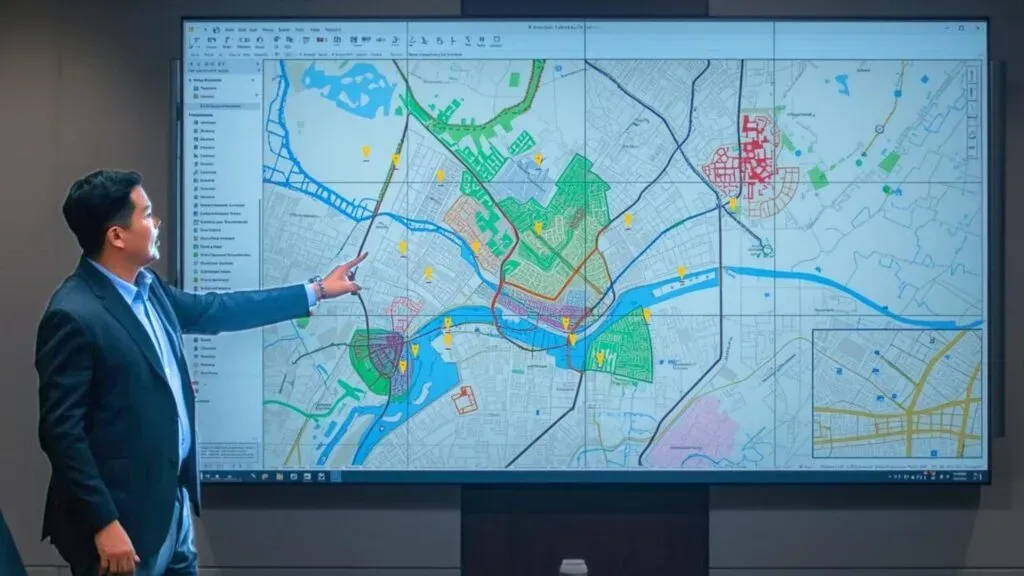
A typical roadmap includes:
- Initial planning: protocol, roles, and stakeholders involved
- Implementation: coordination, management tools, and communication
- Evaluation and adjustments: analysis of results and continuous improvement
- Annual review: consolidation and accountability
The key is not to do it fast, but to do it right from the start.
Alley Cat Allies – Trap-Neuter-Return Research Compendium
Best-Practice Checklist for Evaluating a Municipal TNR Program
To make self-assessment easier, an operational best-practice checklist is especially useful. This kind of tool lets municipalities review in an orderly way how they are managing their TNR program and quickly spot possible areas for improvement in organization, coordination, and use of resources.
These checklists are not meant to cover only the minimum legal requirements. Their value lies in identifying the elements that, based on experience across different TNR programs, are directly linked to a better-functioning system. They are practical, proven criteria, not formal requirements.
When applied systematically, tools like these are associated with better operational results, a significant reduction in conflicts (both with volunteers and with the public), and lower costs in the medium term, by avoiding improvisation, duplication, and inefficient actions.
Download the practical guide to implementing a municipal TNR program (in Spanish)
Digital Tools for Traceable, Coordinated TNR Management
As a TNR program grows in scope and complexity, managing it by hand stops being viable. Scattered records, informal communication, and the lack of a unified view of the area create inefficiencies that get in the way of continuity and informed decision-making.
In this context, digital tools make it possible to centralize the program’s key information in a single system: colonies, cats, and the actions carried out. They also support structured recording of incidents and alerts, preventing information from being lost and ensuring that every action is documented and traceable.
Another critical aspect is coordination among the different stakeholders. A shared platform improves communication between the municipality, colony caregivers, and veterinarians, clarifies roles and responsibilities, and reduces friction caused by misunderstandings or duplicated work.
Finally, the information generated stops being a mere historical archive and becomes a useful decision-making tool. Consolidated data makes it possible to plan, prioritize, and evaluate the program with objective criteria, strengthening its effectiveness and sustainability.
Platforms like Meow Metrics are designed precisely to meet this need from the standpoint of municipal management, traceability, and support for regulatory compliance, replacing informal solutions with a solid digital structure built for public policy.
Bringing Order to TNR Management Is Possible
Municipal cat colony management doesn’t have to depend on individual effort or improvised solutions. With planning, clear information, and the right tools, TNR can become an effective, sustainable public policy that can be defended before the public.
Every municipality starts from a different situation, but the goal is the same: better coexistence, better public health, and more efficient municipal management.
Download the practical guide to implementing a municipal TNR program (in Spanish)
- Alley Cat Allies – Community Cats and Trap-Neuter-Return (TNR)
- Community Cats Central – Training and Resources for Colony Caregivers